
Building Relationships That Last: Leadership Lessons from David Halbert
Dec 15, 2025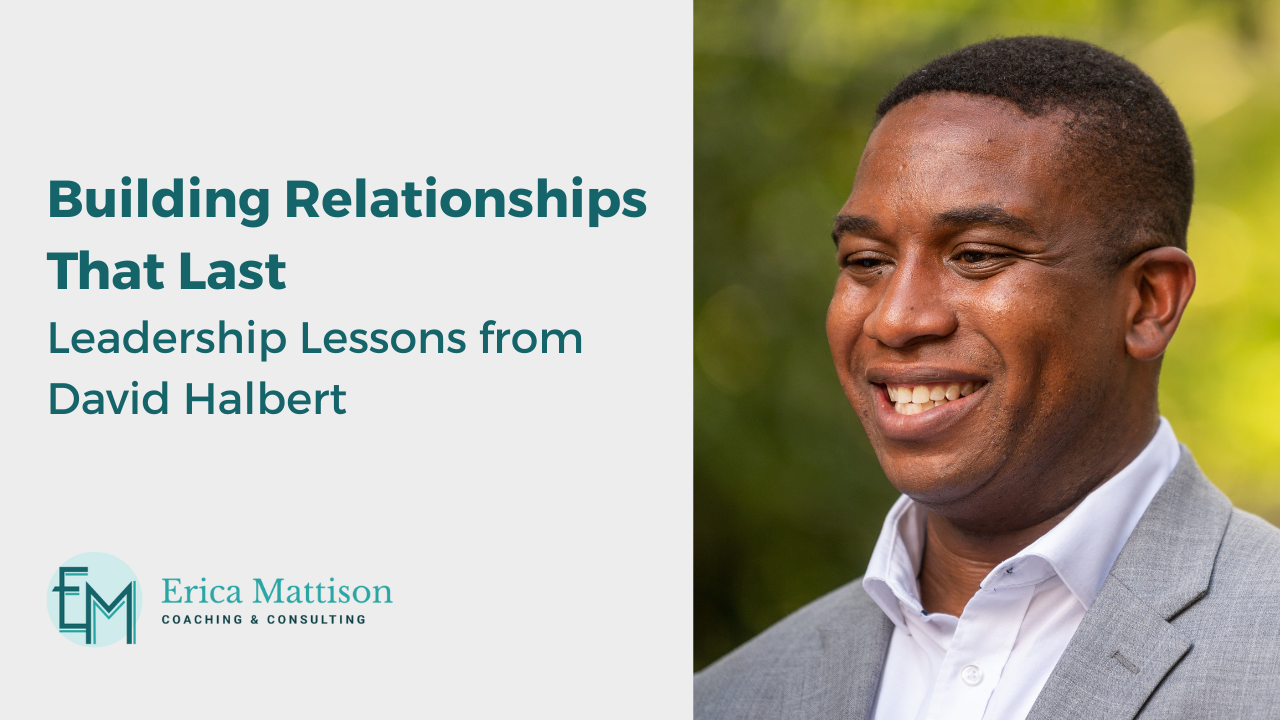
A meaningful career often grows from the relationships we build and the values we choose to lead with.
Leadership Lessons from a Career in Public Service
In my recent conversation with longtime friend and public service leader David Halbert, formerly the Executive Director of Bay State Progress, we explored what it looks like to build a life and career grounded in service, humility, and meaningful relationships. David has dedicated his career to strengthening communities across Massachusetts, and shortly after we recorded this episode, he stepped into a new chapter as the first Director of External Affairs at Framingham State University.
His journey reflects something many purpose-driven professionals think about often: how to grow, contribute, and stay aligned with what matters most.
Why Relationships Matter in Public Service Leadership
David sees relationships as one of the most powerful forces shaping a fulfilling career. His approach is straightforward and human. Stay curious about people. Look for common ground. Create space for mutual conversation, learning, and contribution.
Relationships aren’t built only during big moments. They grow through everyday interactions, when you show interest in what people are navigating and follow up thoughtfully. Remembering details, checking in, and being fully present signal that you care.
Meeting People Where They Are as a Leader
One of David’s guiding principles comes from his mother: you have to work with people where they are to get them where you need them to be. This mindset shapes how he builds trust, leads teams, and sustains long-term relationships.
Reflection Question
Who in your work or community might benefit from you slowing down and meeting them where they are right now?
Building a Career in Public Service and Community Leadership
David grew up in a family of federal agency employees, where public service and dedication to community were modeled early and often. That foundation instilled a strong sense of responsibility to contribute to something larger than himself.
College was a period of exploration that helped him clarify his interests and further commit to a path of public service. Later, he continued investing in himself by earning a master’s degree in public administration while working full time and preparing for fatherhood. That investment expanded his skills, confidence, and leadership capacity.
Taking Career Risks in Public Service Leadership
One pivotal moment was choosing to leave a stable job to run for public office. Even though he didn’t win the election, the experience opened doors, strengthened his self-belief, and helped others recognize his capacity as a community leader.
Reflection Question
What risk have you been circling that might not lead to the outcome you expect, but could still support your growth?
Resilience and Professional Growth in Public Service Careers
When we talked about resilience, David emphasized continual learning and ongoing self-investment. Sometimes that growth comes through formal education. Other times, it comes from new conversations, experiences, or environments.
Resilience, as he describes it, is about recognizing when you’ve outgrown a role or context and being willing to move toward something that fits who you’re becoming.
Knowing When You’ve Outgrown a Role
David shared a metaphor that captures this well. Hermit crabs move into new shells as they grow. Staying in a shell that’s too small isn’t sustainable. Growth requires finding a better fit and continuing forward.
Reflection Question
Where in your career might you be holding on to something that no longer fits?
Values-Driven Leadership in Public Service
David’s leadership philosophy is grounded in values, not ego. For him, leadership means building people and creating opportunities for others to grow. It’s about inspiring, supporting, and serving as a role model, not controlling outcomes.
Creating Leadership Opportunities for Others
He believes strong leaders help people fulfill their potential and then support them as they move on to what’s next. The question he returns to often is:
How do you make your organization a launching pad for other people?
Reflection Question
How might your leadership create more room for others to grow and step forward?
Navigating Career Transitions in Public Service
David speaks openly about the emotional side of transitions. When a job, organization, or chapter ends, there is often a sense of loss. Acknowledging that loss matters.
At the same time, you get to choose what you carry forward. Relationships, lessons learned, and parts of your identity don’t have to disappear just because a role changes.
Reflection Question
What from a previous chapter do you want to intentionally carry into what’s next?
Sustaining Energy and Effectiveness in Leadership Roles
Another part of how David sustains such a full and meaningful life is intentionality. He shared several habits that help him stay energized and effective:
David’s best practices:
• Using technology to create efficiencies and stay organized
• Planning ahead so he can show up prepared and fully present
• Honoring his natural sleep chronotype and structuring his day accordingly
• Prioritizing physical wellbeing, spiritual practices, and community connection
• Valuing the supportive relationship he has built with his long-time partner and spouse
These practices help him maintain the capacity to lead, serve, and stay connected across the many roles he holds.
If You’re Exploring Leadership or Career Growth
David’s story offers a few steady reminders:
• nurture the relationships that matter
• stay curious and open
• recognize when a role no longer fits
• invest in your development
• take the risk you keep circling
• create opportunities for others
• honor the values that guide you
Small, intentional steps often reveal the larger path.
Listen to the Full Conversation
Listen to the full conversation with David to explore his insights and leadership journey ➔
Related Resource
If this episode has you thinking about public service or policy work, you may find this helpful:
How to Get Started in Public Policy ➔
Leadership Coaching
Professionals who are growing into leadership roles often benefit from structured reflection and support. Learn more about leadership coaching and how it can strengthen your leadership approach.