
Make More Music: Creativity, Connection & Career
Oct 29, 2026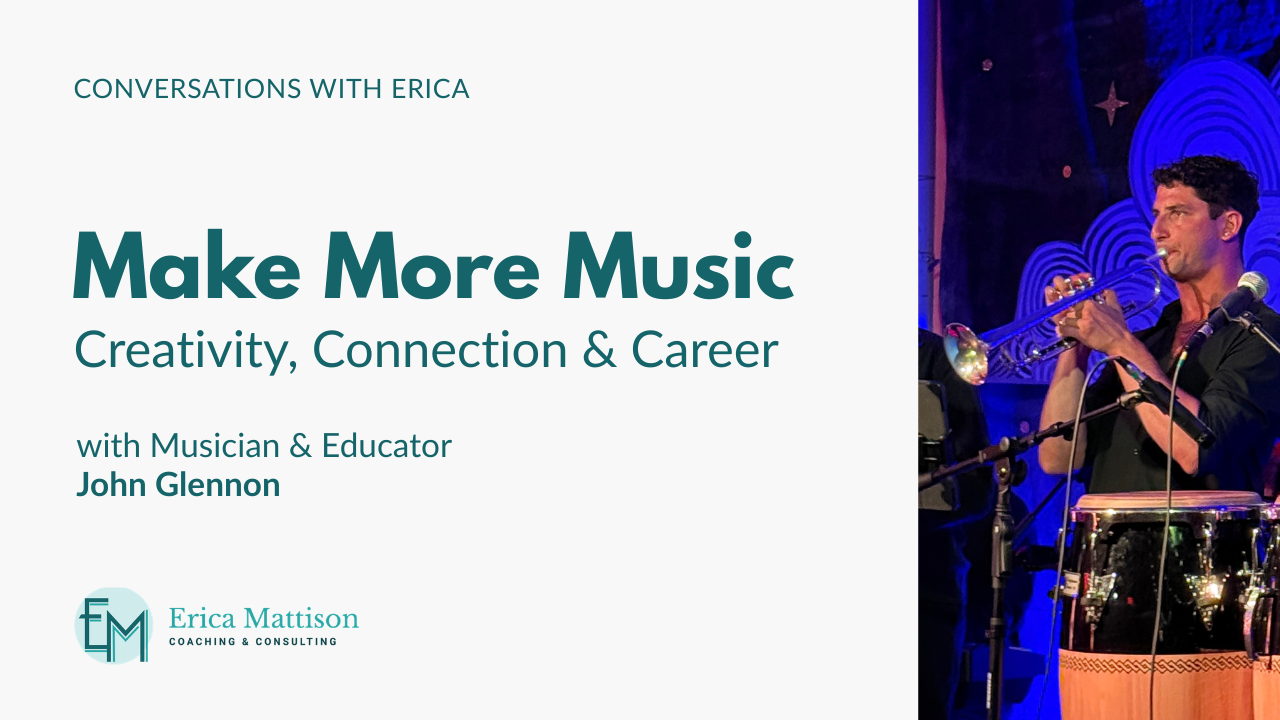
What role does creativity play in your life?
For some people, creativity becomes a career. For others, it is something we make room for because it brings joy, connection, curiosity, and a different kind of energy into our lives.
In my latest episode of Conversations with Erica, I talk with Boston-based musician and educator John Glennon about what it means to create, perform, teach, and build a career in music. Our conversation also raises a broader question: How do we make room for the experiences that help us feel engaged and fully present?
Listen to the full episode of Conversations with Erica.
Creativity, Connection & Being Present
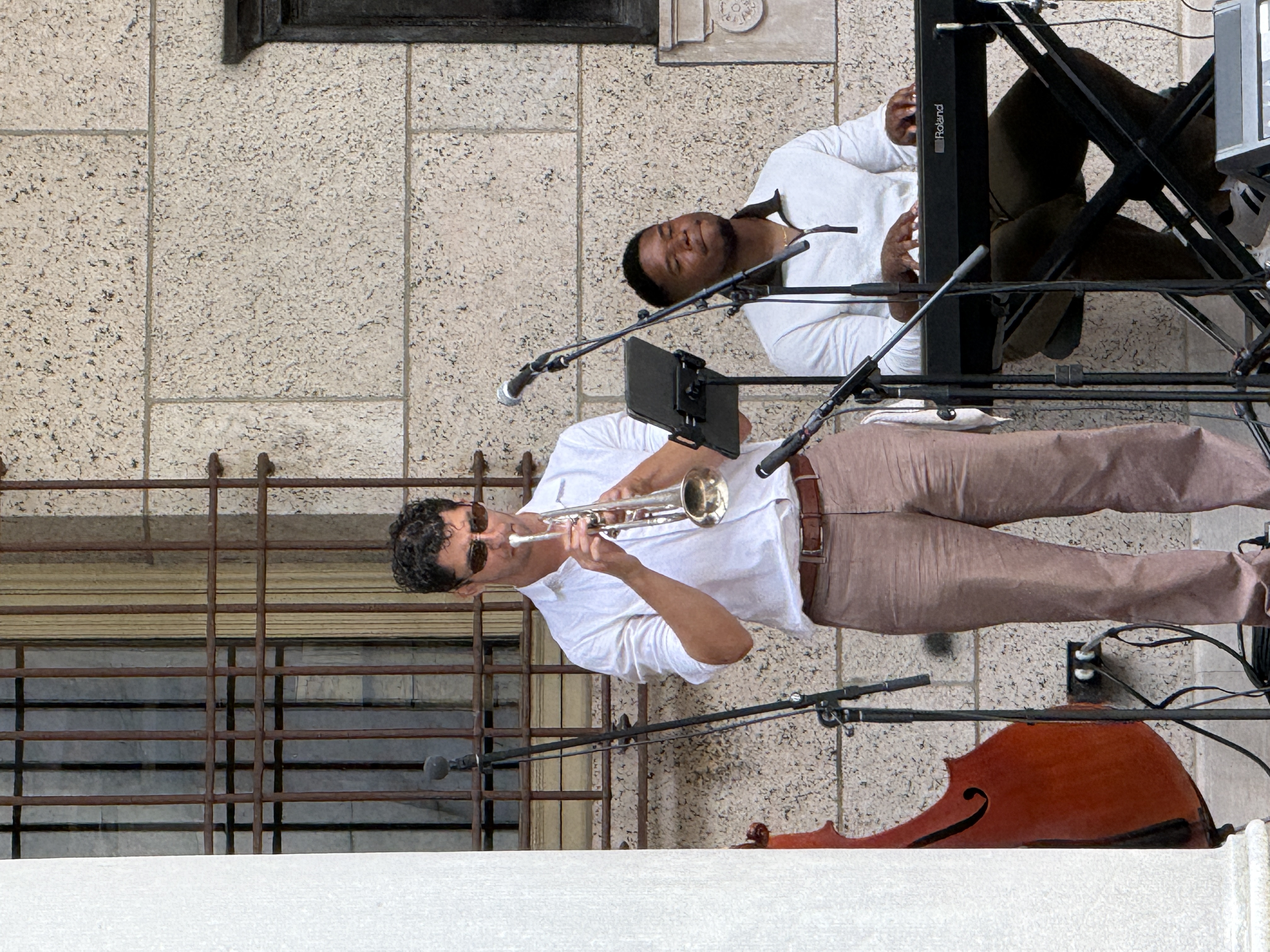
John describes performing as something that requires both preparation and responsiveness. A musician can practice extensively, but once the performance begins, there is also listening, adapting, and responding to the other people in the room.
That balance between preparation and presence applies well beyond music.
We often want to plan everything before we act. But some experiences can only develop through participation. A conversation changes based on what the other person says. A project evolves as we learn more. An idea becomes clearer once we begin experimenting with it.
Creative activities can give us opportunities to practice being present rather than trying to control every outcome.
Make Room for Play
One of my favorite parts of our conversation is John's description of teaching young students.
Through his work with Boston Music Project, he incorporates games, movement, improvisation, and opportunities for students to compose and experiment. The emphasis is not only on learning to play music correctly. It is also on exploration.
As John puts it, “You play music. You don’t work music.”
There is something important in that distinction.
Adults can become very good at turning activities into projects, goals, or measures of accomplishment. Even hobbies can start to feel like things we are supposed to improve, monetize, or perform for someone else.
But creativity does not have to produce anything measurable to have value.
You can sing, dance, paint, garden, write, cook, play an instrument, take photographs, or make something simply because you enjoy the experience.
Building a Creative Career Takes More Than Talent
Of course, for John, music is also work.
Our conversation explores some of the realities of building a career as a working musician. Skill and talent matter, but they are only part of the equation.
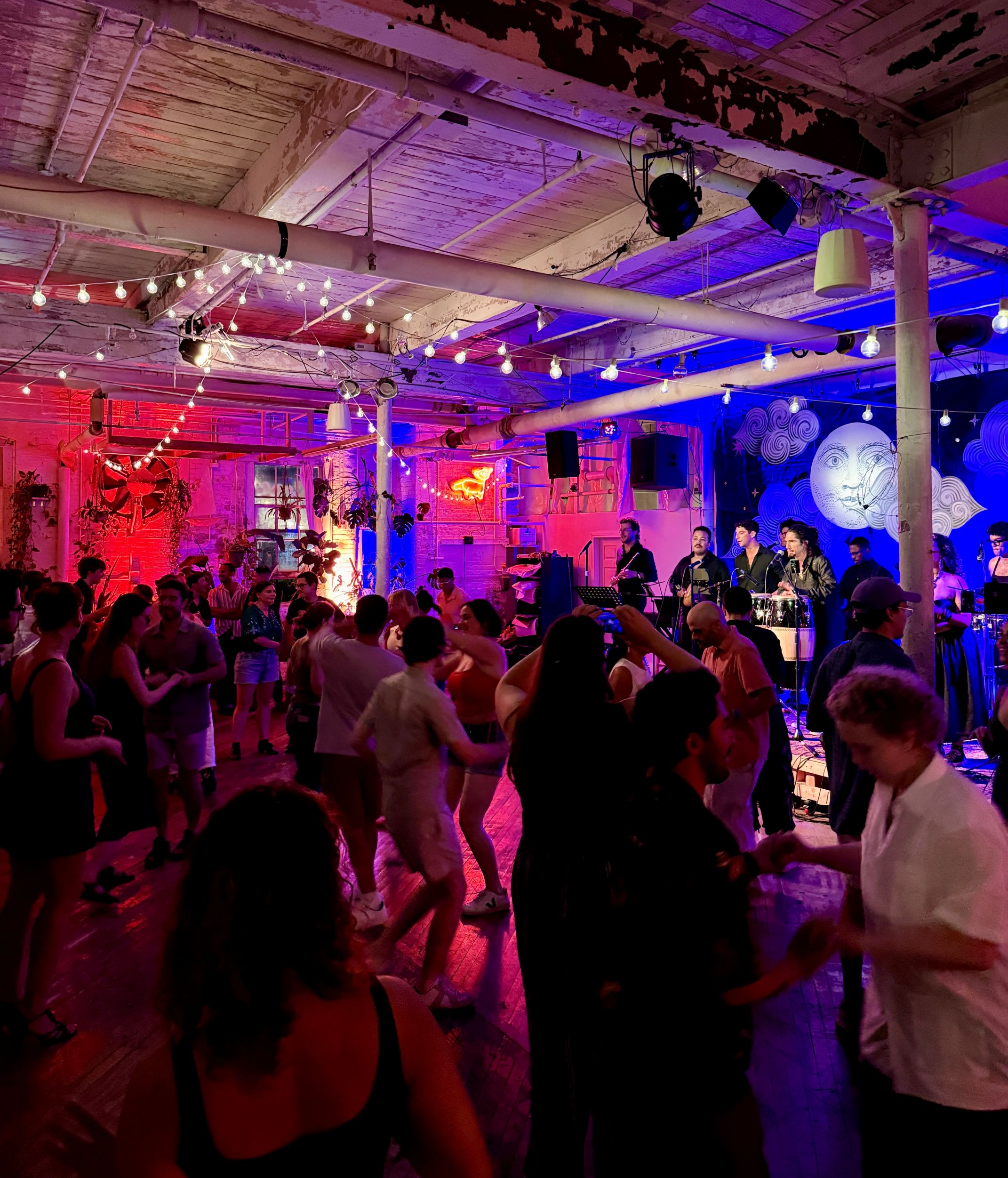
John talks about years of developing relationships, taking opportunities, showing up, and gradually becoming someone people knew and called for work.
That is true in many careers.
Doing good work matters. So does helping people understand what you do. Relationships, communication, visibility, and the willingness to take action all play a role.
At one point in our conversation, John says, “You can’t think your way out of a doing problem.”
I appreciated that because career decisions often become intellectual exercises. We can spend enormous amounts of time researching, analyzing, and trying to determine the perfect next step.
Sometimes the most useful information comes from doing something small: talking with someone, trying an idea, attending an event, sharing your work, or experimenting with a different approach.
Action gives us information that thinking alone cannot.
Persistence Doesn’t Mean Constant Productivity
Persistence is another recurring theme in John's story, but our conversation does not treat persistence as a mandate to keep pushing indefinitely.
Creative work requires energy.
John and I talk about sleep, exercise, food, rest, and the choices we make about how we use our time and energy. Those activities can easily become the first things squeezed out of a crowded schedule, even though they help support everything else.
I see a similar pattern with professionals and business owners I coach. When everything feels important, the answer is often not to fit more into the schedule. It is to become clearer about priorities and make intentional choices about what deserves space.
Sustainable work requires more than determination. It also requires boundaries and recovery.
Make More Music
Near the end of our conversation, John offers a simple invitation: make more music.
You do not have to be a professional musician. You do not even have to think of yourself as musical.
The larger invitation is to make room for creativity.
That might mean returning to something you used to enjoy, trying something new, or giving yourself permission to do something without needing it to become productive.
Creativity can become a profession. It can also simply be part of a meaningful life.
What would you like to make more room for?
Listen to the Full Episode
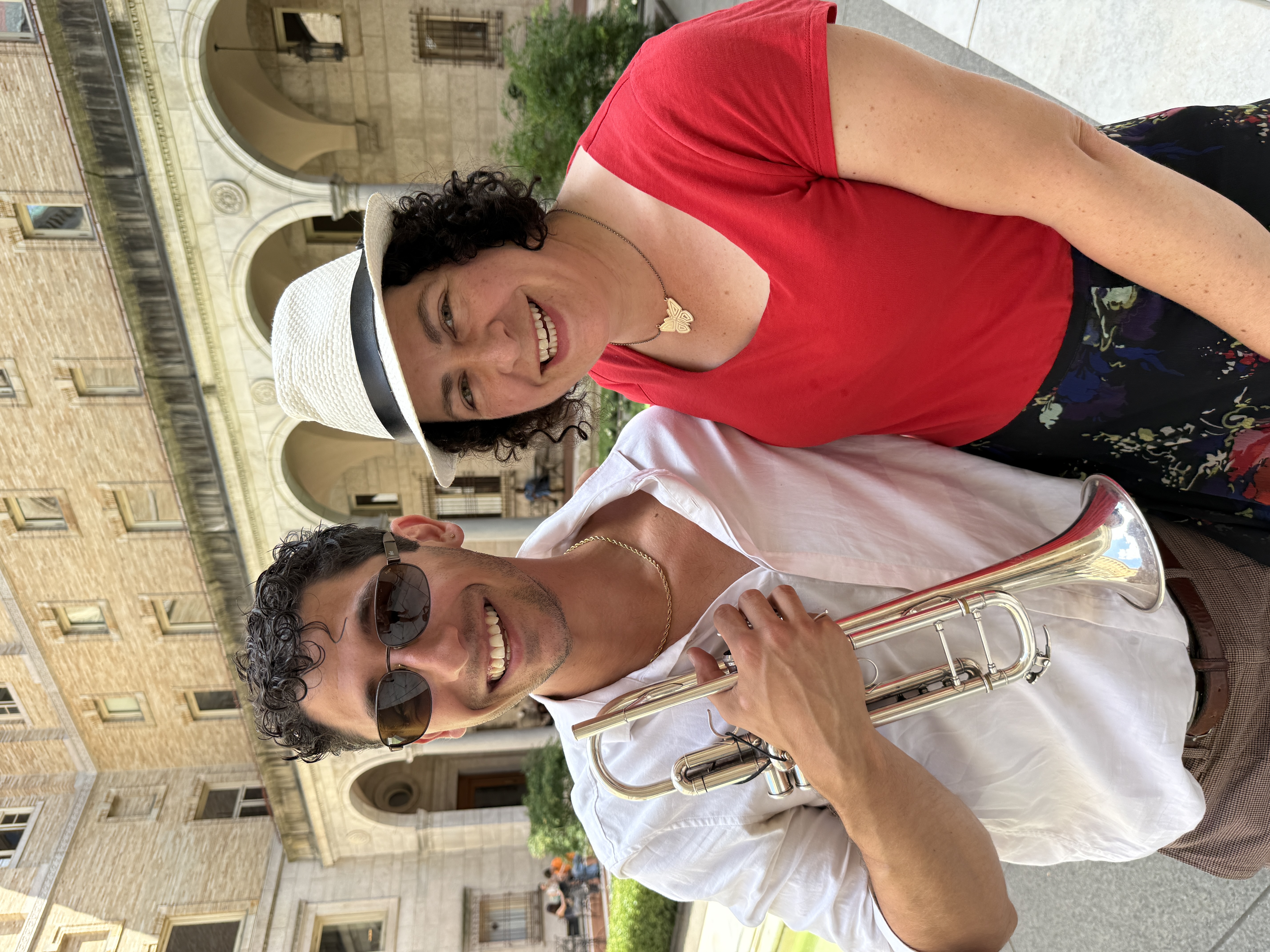
Listen to Make More Music: Creativity, Connection & Career on Conversations with Erica:
About John Glennon
John Glennon is a Boston-based musician, educator, and trumpet specialist. His performance experience includes the Kennedy Center and the Aruba Symphony Festival. He also works with Boston Music Project, where he helps young people experience music through performance, improvisation, creativity, and collaboration.
Connect with John on Instagram: @johnny_glennon
Make More Room for What Matters
You don't have to turn everything you love into work. Sometimes the question is how to build a career around something meaningful. Other times, it is how to make enough room in your life for the people, experiences, and creative pursuits that matter to you.
As an executive coach, I support professionals, leaders, and business owners as they clarify what matters and make intentional choices about their work and lives.
That’s worth including here because it connects you personally to this episode’s arts and creativity theme without overstating your current work in the arts. I’d phrase it as a longstanding interest rather than a current professional focus.
About the Author
Erica Mattison is an executive coach, career strategist, facilitator, and author of Clarifying What Matters. She works with professionals, leaders, and organizations to clarify what matters, navigate transitions, strengthen leadership, and make intentional choices about work and life.
Erica also has a longstanding love of arts and culture. Earlier in her career, she interned with the Museum of Fine Arts, Boston, the Massachusetts Cultural Council, and Dance Institute of Washington in Washington, D.C. Her broader professional background includes sustainability, public policy, higher education, and organizational leadership.
She is the host of Conversations with Erica, where she talks with entrepreneurs, creatives, leaders, and other interesting people about meaningful work and life.