Leadership Development Tools for Stronger Teams
Apr 09, 2026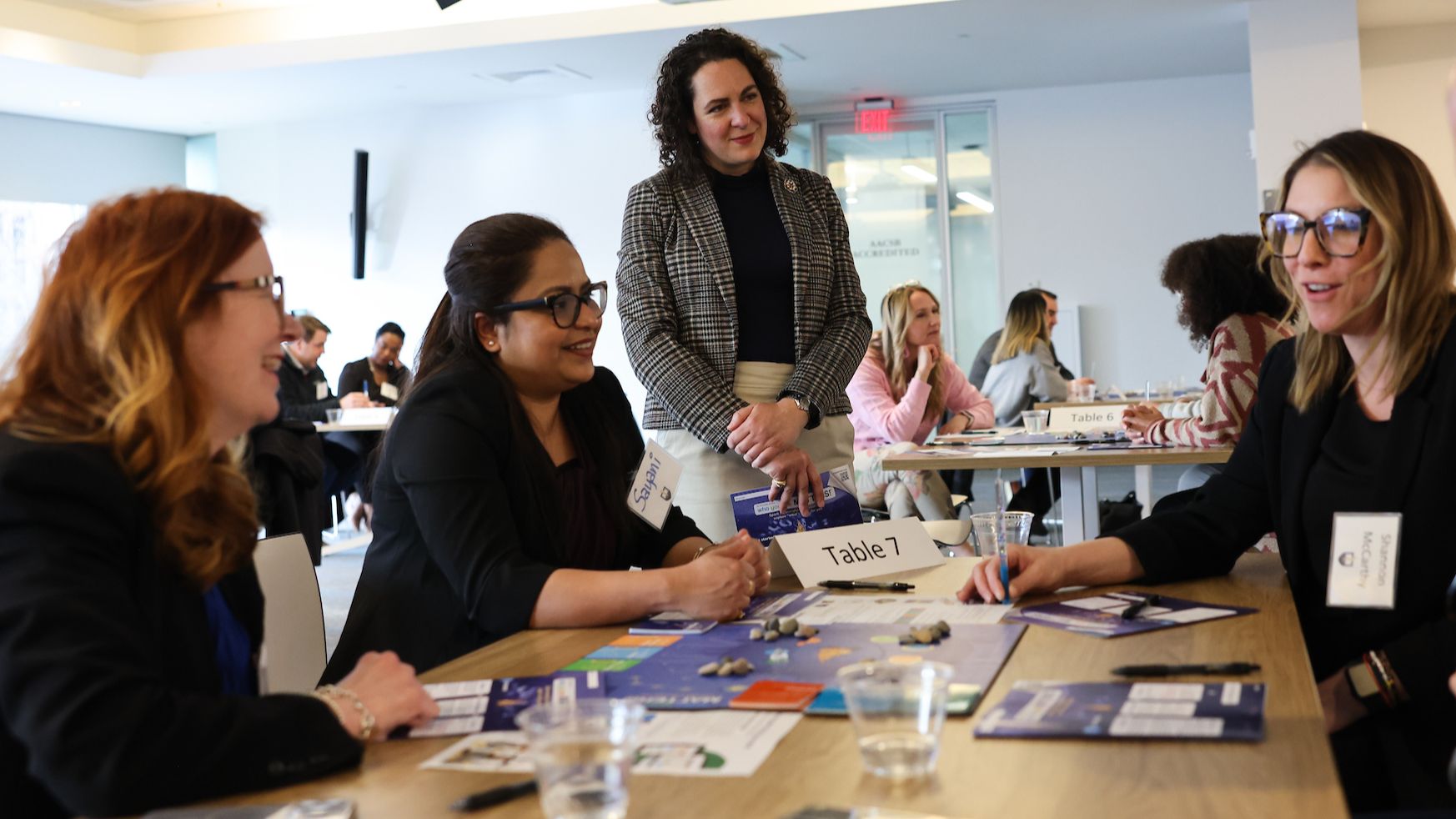
Frequently, what limits progress is not talent alone. It is how communication, alignment, and team dynamics affect execution.
That gap has real consequences. Gallup’s recent workplace research found that just 31% of U.S. employees were engaged in 2025, and 35% said better communication would most help them gain clarity about what is expected at work. Gallup also reports that organizations that incorporate strengths into their culture see higher engagement, higher profit, higher sales, and lower turnover.
That is one reason I have invested over time in a range of certifications, assessments, and facilitation methodologies. They give me different ways to support organizations facing stalled progress, uneven accountability, unclear expectations, and disconnected development efforts.
The goal is not to add more theory. The goal is to help leaders and teams communicate more effectively, strengthen collaboration, and improve performance.
Leadership Development Challenges That Affect Collaboration, Engagement, and Performance
Across corporate, nonprofit, and government settings, the needs are often familiar.
Managers typically need more support in leading people well, setting clear expectations, and having effective coaching conversations. Teams often need better communication, collaboration, and trust. Leadership groups frequently need more candor, accountability, and alignment.
Employees often want clearer development pathways. Retreats and workshops also need to do more than create a positive experience in the moment. They need to generate insight, strengthen connection, and lead to meaningful follow-through.
Leadership Development Tools That Support Managers, Teams, and Organizational Culture
Over time, I have pursued training in frameworks and tools that support different aspects of organizational growth.
Axiogenics Self-Leadership and Gallup CliftonStrengths® can help leaders build self-awareness, strengthen judgment, and better understand how they contribute.
Wiley’s Everything DiSC® and The Five Behaviors® can help teams improve communication, raise self-awareness, strengthen trust, navigate productive conflict, and build more accountability around shared goals.
My background in career development through the National Career Development Association (NCDA), along with SkillScan and the OneLifeTools narrative approach, can support employee development, internal mobility, and more thoughtful growth conversations.
LEGO® SERIOUS PLAY® and story-based facilitation methods can help teams engage more fully in retreats, off-sites, and workshops where reflection, participation, and fresh insight matter.
Why I Pursued These Certifications and Frameworks
I did not pursue these credentials simply to collect more credentials. I pursued them because I kept seeing real needs in the leaders, teams, and organizations I support.
CliftonStrengths stood out to me because I value a strengths-based approach and had seen respected colleagues apply it well with both individuals and organizations. Everything DiSC stayed with me after I experienced how useful it could be in helping a team better understand how people work and communicate.
LEGO® SERIOUS PLAY® caught my attention when a disability advocate I collaborated with introduced me to the meaningful interactions its structure and hands-on approach can make possible. The OneLifeTools approach resonated with me because it helps people clarify what matters through lived experience and story, not just scores or labels.
Each of these frameworks offered a practical lens for challenges I was already seeing in workplaces. That is what made them worth pursuing.
How Executive Coaching, Workshops, and Assessments Work Together
No single framework solves every challenge.
A leadership team may need stronger trust and accountability, but also clearer communication. A manager development initiative may benefit from strengths-based reflection, self-awareness work, and coaching support. A retreat may need a facilitation approach that helps people participate more fully, paired with a framework that helps the team turn insight into better day-to-day collaboration.
That is why I value having multiple tools available. They can be combined in ways that fit the organization’s goals, context, and pace.
An assessment may surface patterns. A report may give people language for what they are experiencing. Coaching may help them apply what they are learning. A workshop or retreat may help a group build shared understanding and make practical commitments.
Together, those elements can create far more traction than a one-off training.
What Leadership Development Can Look Like in Practice
Busy leaders need development experiences that are relevant, well designed, and grounded in the real challenges their people and teams are facing.
That may take the form of executive coaching, workshops, retreat facilitation, a speaking engagement, or a broader leadership development effort. In many cases, the strongest approach brings several of those elements together over time.
That is the lens I bring to my work with organizations: helping leaders and teams build clarity, strengthen communication, deepen trust, and move forward with more intention.
If your organization is looking for support with leadership development, executive coaching, team effectiveness, or workshop facilitation, here are a few ways to learn more:
Explore leadership and team development for organizations ➔
Learn more about executive coaching ➔
Learn about keynote speaking ➔
Explore leadership consulting ➔
About the Author
Erica Mattison, MPA, JD, is an executive coach, team effectiveness consultant, and facilitator who helps purpose-driven organizations strengthen communication, alignment, trust, and professional growth. Through executive coaching, workshops, team experiences, and retreat facilitation, she supports leaders and teams in working together more effectively.