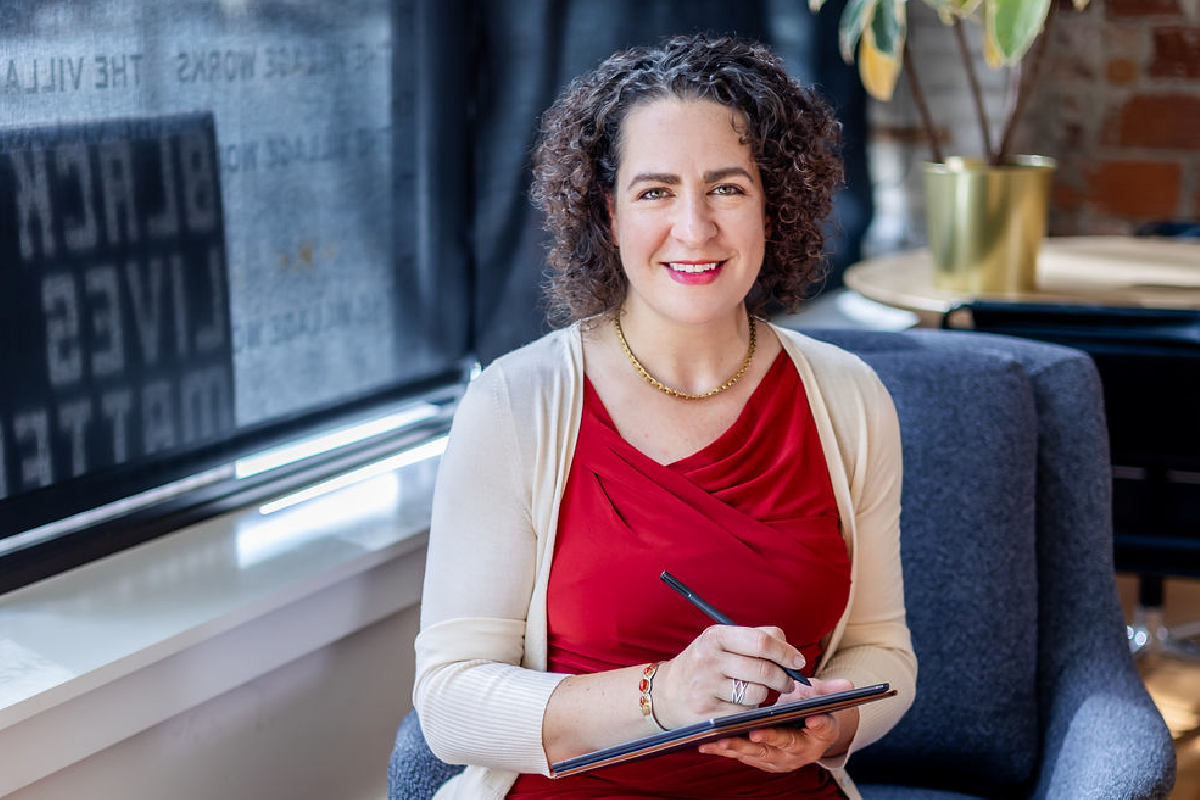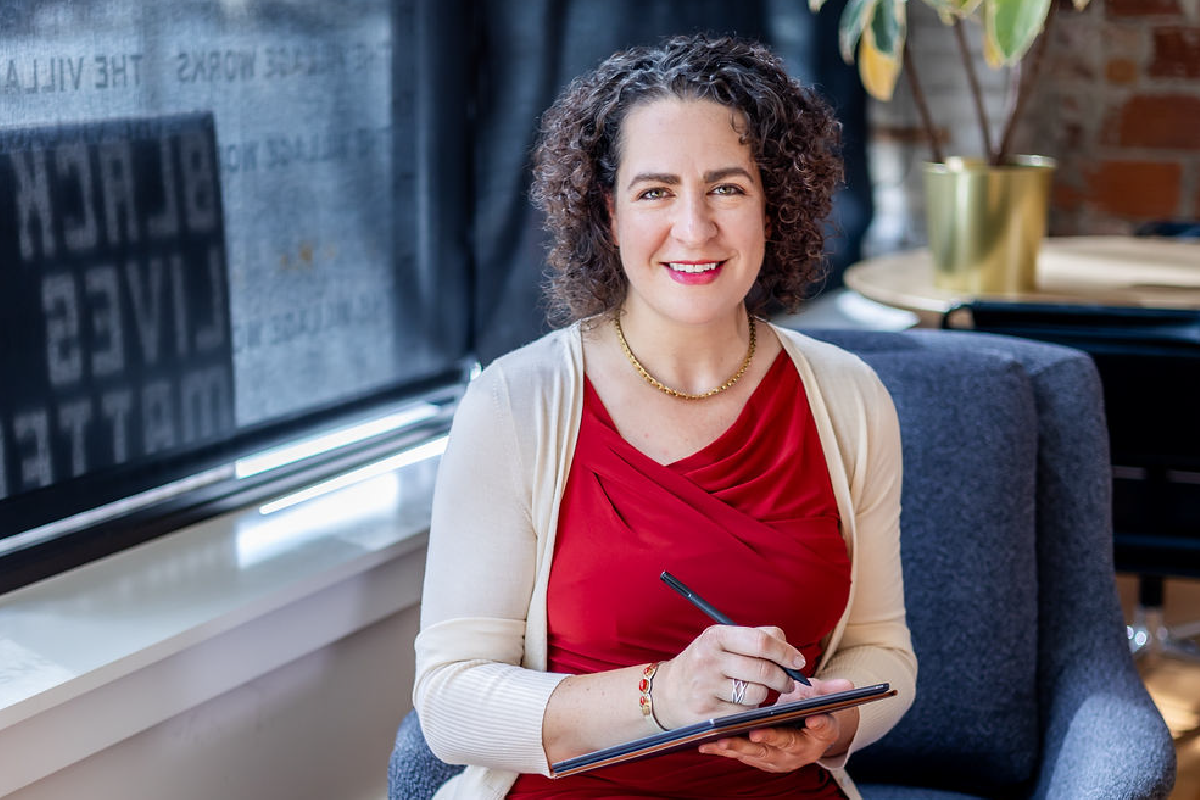
From Education to Entrepreneurship: Starting a Business After Retirement
Sep 28, 2026
How Cheryl St. Onge and Joan Sheary built No Strings Attached Lemoncello after retiring from Worcester Public Schools
Retirement can create space for rest, travel, hobbies, and time with people you care about. It can also open the door to something you never imagined doing.
For Cheryl St. Onge and Joan Sheary, retirement from long careers in education led somewhere neither expected: starting a Cape Cod-based Massachusetts business. In this episode of Conversations with Erica, I speak with Cheryl about moving from education into entrepreneurship, recognizing transferable skills, building relationships, and learning a completely new industry.
Cheryl and Joan both spent decades working in Worcester Public Schools before creating No Strings Attached Lemoncello. Their story invites a broader question: What might become possible when one chapter of your career ends and you remain open to what comes next?
Starting a Business After Retirement
When Cheryl St. Onge retired from education, becoming the owner of a limoncello company was not on her list of possibilities. She imagined spending more time playing golf and enjoying Cape Cod, but an idea based on a family recipe gradually developed into a business.
That is part of what makes retirement and other career transitions interesting. Possibilities often emerge through conversations, relationships, experimentation, and experiences we could not have anticipated.
A plan can provide direction without defining everything that comes afterward.
Your Skills Come With You Into Retirement
Starting a business in a completely different industry might look like starting over, but it rarely is. Cheryl worked as a physical education teacher and assistant principal, while Joan led a dance department.
Their careers developed skills they now use as business owners, including:
-
Communication
-
Leadership
-
Relationship-building
-
Problem-solving
-
Adaptability
-
Working with different personalities and perspectives
Cheryl and Joan had plenty to learn about licensing, manufacturing, marketing, sales, and distribution. But they brought decades of professional experience with them into a new context.
That matters for educators and other professionals considering retirement or a significant career change. Your next chapter may look very different while still drawing heavily on strengths you have developed throughout your career.
How No Strings Attached Lemoncello Began
The idea for the company originated with a limoncello recipe from Joan Sheary’s mother-in-law. Cheryl and Joan experimented until they developed their own version using Meyer lemons, organic milk, and rum.
Family and friends became early taste testers, offering feedback about sweetness, lemon flavor, and strength. In effect, they served as informal focus groups while Cheryl and Joan refined the product.
That willingness to experiment applies far beyond entrepreneurship. You can test an idea, gather feedback, make adjustments, and learn what becomes possible by taking action.
Building a Business Takes Relationships
Relationships have played an important role in the company’s development. Cheryl and Joan sought guidance from people with experience they did not yet have, including a longtime friend who owned a restaurant and had started a beer business.
When they needed a professional distillery, they eventually connected with Barry Bacon of Spicy Water Distillery in Millbury, Massachusetts. Barry agreed to produce their rum-based limoncello and became both a business partner and advisor.
His own experience moving from education into the distillery business gave him additional insight into their journey. Their experience is a reminder that businesses and careers often develop through networks of mentors, collaborators, customers, vendors, and people willing to share what they know.
Becoming a Beginner Again
When Cheryl and Joan started, they knew very little about operating an alcohol business, so they learned. Cheryl describes reading, researching online, using AI tools, attending industry programs, and connecting with organizations and other women in the alcohol business.
Starting something new after a long career can mean becoming a beginner again. Your existing expertise and your willingness to learn can coexist.
Instead of asking, “Do I already know how to do this?” you can ask, “How can I learn what comes next?”
Farmers Markets as a Path to Growth
Farmers markets have become an important part of the business’s growth. Cheryl and Joan have participated in markets in Dedham, Chatham, and Mashpee, introducing people to their product while building relationships with customers, retailers, and potential business partners.
Those conversations can lead somewhere unexpected, whether that means a new liquor store, golf course, or connection in another community. You cannot always predict which conversation will matter, but showing up and engaging with people creates possibilities.
Growing a Small Business Means Making Choices
The company is now available in approximately 30 liquor stores, with Cheryl and Joan continuing to expand its presence in Massachusetts. They also explored restaurant distribution but realized that, as a company of two, they did not currently have the capacity to support that channel effectively.
More opportunities do not automatically create a stronger business. Sometimes progress comes from deciding where to focus now and which possibilities can remain available for another stage.
Cheryl and Joan still handle much of the work themselves, including distribution, billing, production coordination, and labeling. They have also brought on college interns to contribute complementary social media skills.
Retirement Does Not Require Knowing Exactly What Comes Next
When I asked Cheryl what she sees ahead for the business, she acknowledged that she and Joan are still figuring it out. For now, they are focused on producing the next batch, expanding distribution, managing demand, and introducing more people to the product.
We can put enormous pressure on ourselves to know what the next chapter will look like before the current one ends. Sometimes the next step is enough to reveal more of the path.
Cheryl St. Onge and Joan Sheary did not retire from Worcester Public Schools knowing they would become entrepreneurs. They followed an idea, experimented, found mentors and partners, learned a new industry, and continued building from there.
Listen to the Full Episode With Cheryl St. Onge
This conversation is for educators thinking about retirement, professionals exploring what might come after a long career, aspiring entrepreneurs, and anyone wondering how their existing skills could translate into something different.
Cheryl and I discuss:
-
Starting a business after retirement
-
Moving from education to entrepreneurship
-
Cheryl St. Onge and Joan Sheary’s path to building a limoncello company
-
Recognizing transferable skills from education
-
Finding mentors and business partners
-
Learning an unfamiliar industry
-
Using farmers markets to build visibility and relationships
-
Growing a small business with limited capacity
-
Remaining open to what comes next
Listen to the Conversations with Erica episode with Cheryl St. Onge ➔
About Cheryl St. Onge, Joan Sheary, and No Strings Attached Lemoncello
Cheryl St. Onge and Joan Sheary are the co-owners of No Strings Attached Lemoncello, a Cape Cod-based Massachusetts business they created after retiring from careers with Worcester Public Schools. Cheryl's career included teaching and school administration, while Joan led a dance department.
Today, they are applying their leadership, communication, relationship-building, and organizational experience to entrepreneurship. Their product is made in partnership with Spicy Water Distillery in Millbury, Massachusetts and is growing through liquor stores and farmers markets across the state.
Learn more about No Strings Attached Lemoncello ➔
When You Are Considering What’s Next
Retirement or a career change does not mean leaving everything you have learned behind. It can be an opportunity to recognize the strengths, experience, relationships, and perspective you have already developed and imagine where else they could take you.
In my work as an executive coach and career strategist, I support professionals as they clarify what matters, explore possibilities, recognize the value of their experience, and make intentional decisions about what comes next.