Sometimes a leader or team knows something isn’t quite working, but doesn’t yet have the language to describe what’s happening.
Maybe communication feels strained or tense. People may approach the same work in very different ways, and those differences can affect communication, collaboration, and expectations. A leader may be trying to understand how to make better use of their strengths. Or a team may be going through growth or change and need a stronger foundation for working together.
Using assessments for leadership and team development
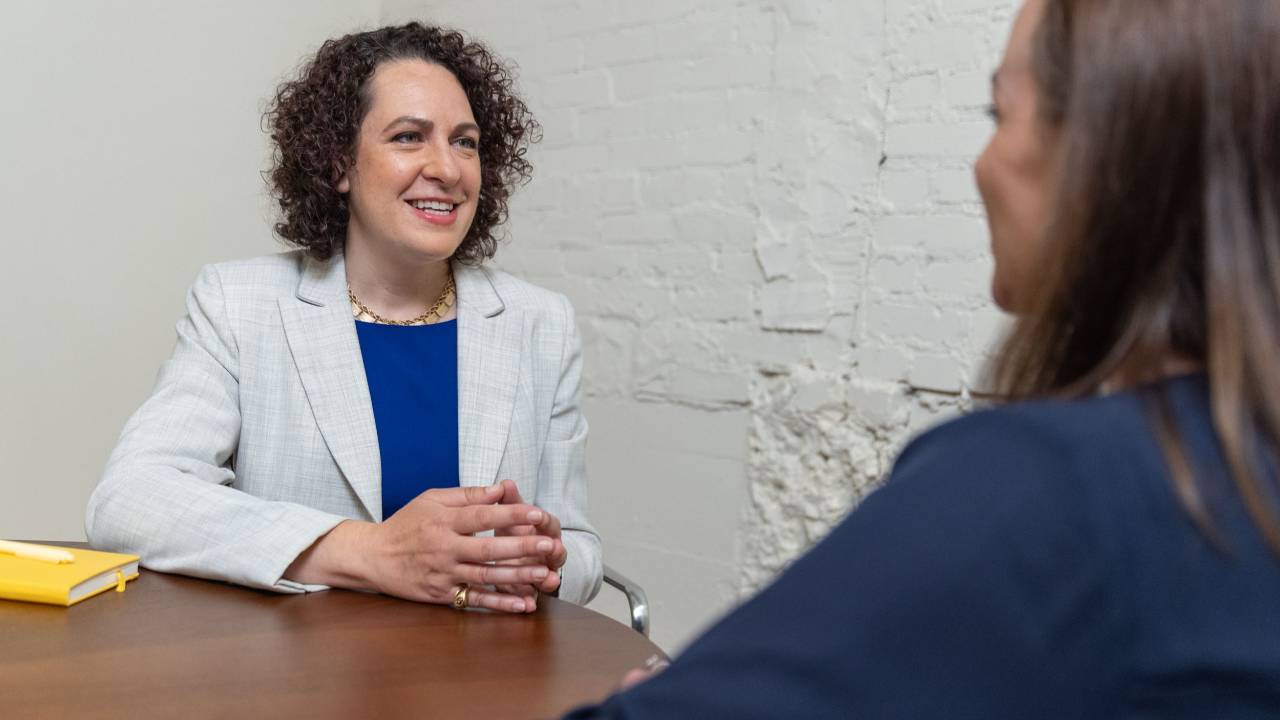
Assessment tools are an important part of how I work with leaders and teams.
Depending on what we’re working on, I might use CliftonStrengths® to help people understand the talents they naturally bring, Everything DiSC Workplace® to explore communication and behavioral styles, or SkillScan to clarify the skills people most want to use and develop.
For teams, I also use The Five Behaviors®, which builds on DiSC® insights to help teams strengthen trust, engage in productive conflict, build commitment and accountability, and focus on collective results.
Another tool I often incorporate is Online Storyteller, a narrative assessment that supports reflection across both work and life. It helps people make sense of what has shaped them, clarify the strengths, interests, values, and influences that matter most, and explore what they want more of and how they want to contribute.
The assessment is a starting point
What matters most is what happens afterward. When assessments are paired with ongoing professional development and a commitment to continuous learning, organizations can turn insight into sustained practice.
People gain better language for understanding themselves and one another, talk more openly about differences, recognize what each person brings, question assumptions, and make more intentional choices about how they communicate, lead, collaborate, and grow. This helps maximize the value of the assessment work and strengthen individual and team performance.
Sometimes one assessment is enough. Other times, different tools offer complementary perspectives that help us understand a situation more fully.
If your organization or team is navigating growth, leadership development, communication challenges, change, or simply wants to work together more intentionally, these tools can be a useful part of the process.
I'd love to hear from you
Recently, I caught up with someone I first worked with years ago who is now the CEO of a community-based nonprofit in Boston. It was great to reconnect and learn more about what his organization is working on and what’s top of mind for him as a leader.
Conversations like this are one of my favorite ways to reconnect and learn what organizations are navigating right now.
If you’re curious about what might be useful for your team, reply and tell me a little about what’s going on. I’m happy to help you think it through.
Erica
Erica Mattison
Executive Coach, Facilitator, and Speaker
P.S. I’m hosting the Good Work Series in partnership with The Substation in Roslindale. If you have professional development dollars available, this could be a fun and meaningful way to put them to use.



Responses